Mattresses support the body during sleep and influence pressure distribution, temperature comfort, and spinal alignment. Their materials and construction determine firmness, resilience, and care requirements. Understanding these characteristics helps households compare bedding options for different sleep positions, comfort preferences, and needs, including organic mattresses designed with natural fibers or latex.
Mattress layers may combine supportive cores with cushioning materials such as wool, cotton, or latex. Wool can help regulate temperature and provide a soft surface, while latex offers buoyant, responsive support. Cotton is valued for its breathable feel. These features can matter to people seeking durable bedding with fewer synthetic materials.
The Savvy Rest Pastoral Wool Mattress features wool in its construction, offering cushioning and natural temperature regulation. Wool fibers can help manage moisture and create a comfortable sleep surface across changing conditions. Its material profile may suit sleepers who prefer a natural-fiber mattress and want an alternative to conventional foam-based bedding.
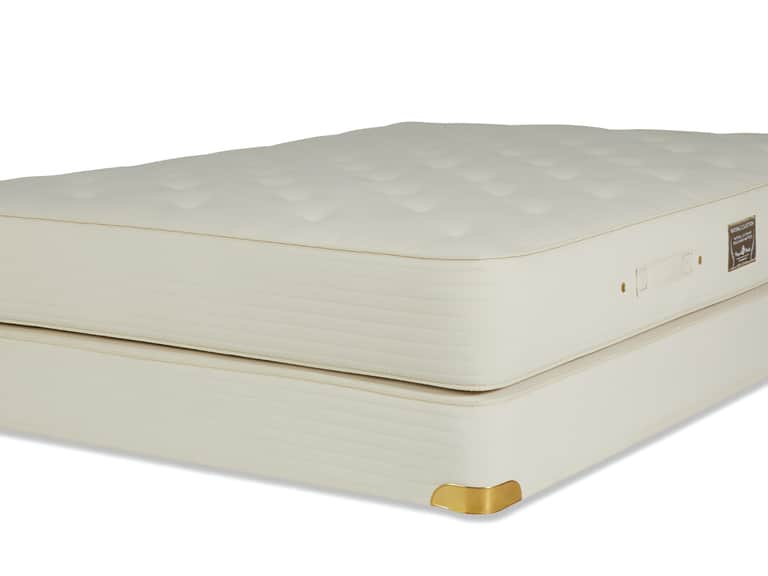
The Royal-Pedic Natural Cotton Mattress with Wool Wrap combines a cotton mattress structure with a wool wrap. Cotton provides a breathable, familiar foundation, while the wool layer adds cushioning and helps moderate warmth and moisture. Together, these materials support a balanced sleep surface for people interested in natural mattress components.
Mattress selection also depends on the sleeper’s age, body support needs, and room environment. Families comparing nursery bedding should consider appropriate fit, construction, and care guidance for a child’s sleep space. Related bedding, including pillows, should complement mattress support and sleeping posture, while material preferences may include organic fibers or latex.
 Mattresses