Wool vs. Other Natural Insulations: A Practical Guide to Choosing Bedding Fill
Explore how wool compares to other natural insulation options in bedding, focusing on warmth, moisture management, and care. Aimed at helping shoppers select toppers, comforters, and pillows from trusted brands like Sleep and Beyond and Suite Sleep.
In the quiet hours before dawn, a bed becomes more than a place to rest; it is a measure of climate control, material science, and long-running craft. The textile world has a long history of layering—fleece, batting, fabric, and cover—that work together to regulate temperature, manage moisture, and support comfort. Wool—a fiber with a storied past and an enduring reputation for resilience—continues to occupy a central role in modern bedding systems when paired with thoughtful design and careful stewardship of materials.
This guide examines wool alongside other natural insulation materials, with a focus on toppers, comforters, and pillows. It draws on contemporary offerings from brands that emphasize transparency in sourcing and construction, such as Sleep and Beyond and Suite Sleep, to illuminate how this fiber performs in real-world sleep environments. Whether you favor all-season warmth, hypoallergenic performance, or easy-care routines, understanding wool’s properties helps you select a sleep setup that remains comfortable, breathable, and durable.
Wool’s enduring properties in bedding
Wool is a natural fiber known for its remarkable ability to regulate temperature. It traps air within its crimp, which creates an insulating loft even when the material is relatively lightweight. This loft contributes to warmth during cool nights and breathability when temperatures rise. Wool inherently wicks moisture, drawing water away from the body and helping maintain a dry sleeping surface. That moisture management is central to comfort for sleepers who tend to overheat or sweat during the night.
Beyond temperature regulation, wool’s elasticity helps it recover loft after compression. In the context of bedding toppers, quilts, and pillows, this means a durable surface that remains cushioned over time. Wool’s natural antimicrobial tendencies also contribute to a feeling of freshness, particularly when paired with breathable, natural fabrics for casings and covers.
The practical implications for shoppers are clear: wool toppers and comforters can provide automatic climate control with less reliance on synthetic additives. For households seeking non-toxic, natural sleep surfaces, wool becomes a compelling option, especially when paired with GOTS-certified organic cotton casings and sustainable supply chains.
Wool vs. other natural insulations: a comparative lens
When evaluating toppers, comforters, and pillows, buyers often compare wool to other natural insulations such as organic cotton batting, kapok, bamboo fibers, or recycled natural fibers. Each material offers distinct advantages:
- Wool: exceptional temperature regulation, moisture management, resilience, and natural odor resistance. Lightweight yet loft-retentive, wool performs well across seasons, particularly in toppers and all-season comforters.
- Organic cotton: breathable and soft, with excellent comfort for sensitive skin. Cotton is often used as a shell or outer fabric, providing a smooth touch and easy care, but its insulating capacity is typically lower than wool for the same thickness.
- Alpaca and wool blends: blends can balance wool’s warmth with a lighter hand and added softness, offering a nuanced approach to thermal comfort.
- Kapok or plant-based fibers: in some fillings, kapok brings lightness and a silky feel, though it may compress differently than wool over time.
The choice often comes down to the balance between warmth, moisture management, care requirements, and ecological considerations. For example, a wool-filled comforter with an organic cotton sateen shell can deliver robust insulation with the benefit of easier care if the wool is designed for durability and if the shell is washable and breathable. In toppers, a washable wool-filled design can combine the loft and support of wool with the convenience of machine washing, depending on the fabric shell and construction.
Seasonal strategies: choosing toppers, comforters, and pillows
The needs of sleepers shift with the seasons, and bedding selections reflect that rhythm. Here are practical strategies for aligning materials with seasonal patterns:
- All-season warmth: Wool toppers and dual-weight wool comforters can balance warmth with breathability. For crib or toddler surfaces, wool toppers provide a gentle, temperature-regulating layer that is easy to maintain in a child-safe sleep environment.
- Cooler seasons: Heavier weight wool toppers and snug, hand-tufted wool comforters can trap warmth while maintaining moisture management. A wool-based pillow with customizable loft can support neck alignment during longer nights.
- Warmer seasons: Lighter wool toppers or lightweight wool comforters help prevent overheating. Machine-washable designs with breathable shells enable easier seasonal transitions.
When evaluating options, consider the fill power and loft, shell fabric, and care guidelines. A topper’s depth, a comforter’s stitch pattern, and a pillow’s loft all influence how the bed feels in different climates and with different sleeping styles.
A practical guide to real products: selection logic informed by brands
Real-world products illustrate how these principles translate into consumer choices. Consider two established brands known for their commitment to natural materials and transparent construction: Sleep and Beyond and Suite Sleep. Their lines showcase a range of toppers, comforters, and pillows that prioritize organic cotton shells, wool fillings, and responsible sourcing.
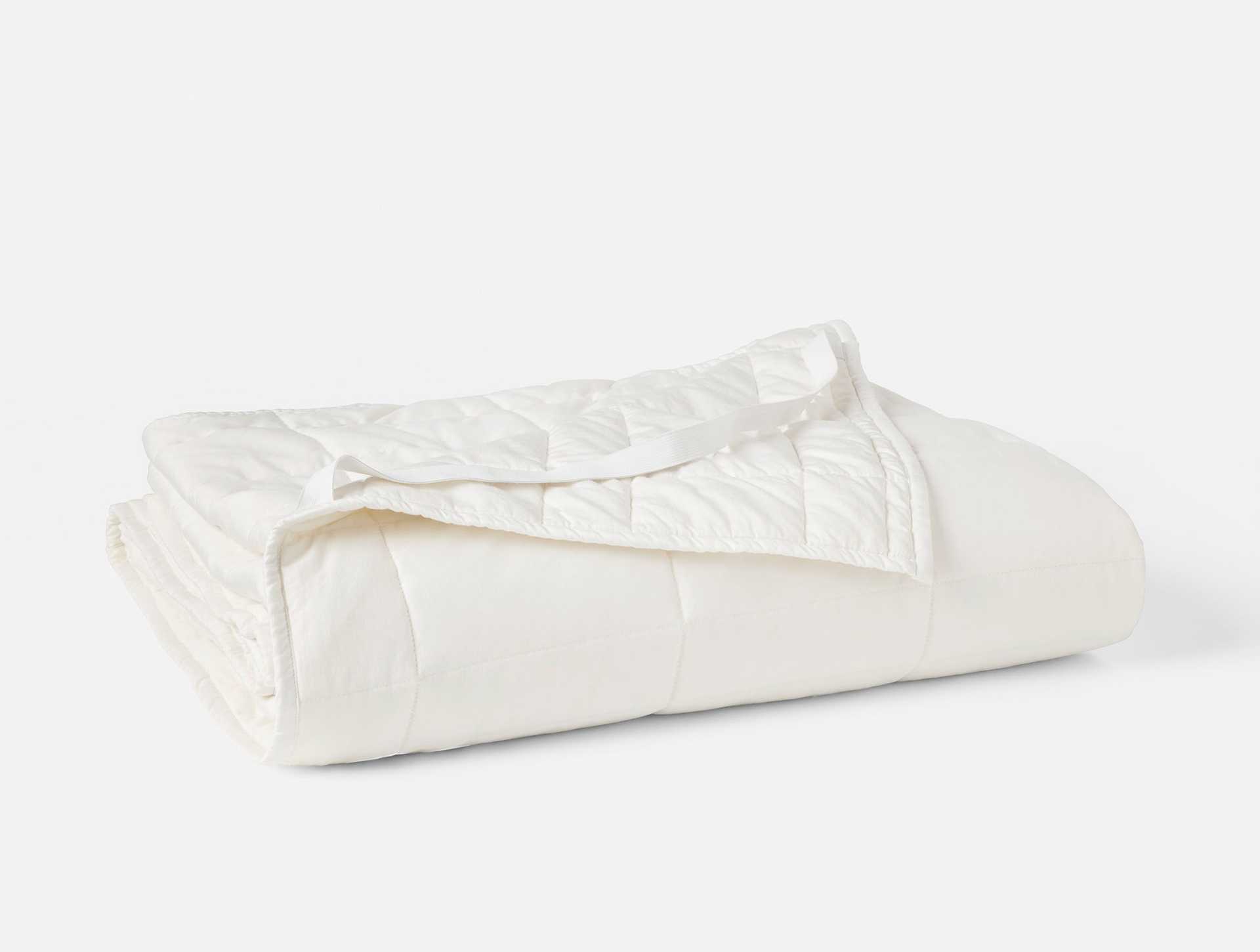
A representative example is Sleep and Beyond’s MyMerino wool comforter, designed to regulate temperature and wick moisture, with organic cotton sateen and careful quilting to stabilize the wool. This type of design demonstrates how a single material—merino wool—can function across multiple sleep applications, delivering a consistent experience from winter to summer when paired with appropriate shell fabrics.
Suite Sleep offers a comparable emphasis on natural materials, with products such as washable wool comforters and wool-filled accessories that are engineered for both performance and ease of care. The emphasis on machine-washable wool toppers and comforters shows how thoughtful design expands the practicality of natural fillings in daily life.
Care, durability, and the lifecycle of wool bedding
Caring for wool bedding is a balance of preserving loft and integrity while maintaining practicality. Many toppers and comforters are designed with care instructions that encourage periodic sun refreshing to help rejuvenate loft and remove lingering odors. Some toppers are explicitly built to be machine washable with carefully selected shells and wool blends, enabling residents to enjoy the benefits of wool without burdensome maintenance.
The lifecycle of a wool product—from farm to finished item—often involves certifications such as GOTS, which assure organic integrity across fibers and fabrics. This continuity matters: a topper or comforter that uses GOTS-certified wool and GOTS-certified organic cotton ensures clean, chemical-free materials throughout both fill and shell.
The decision trees: quick-start paths for all-season and crib/toddler needs
For readers pressed for time, two concise decision trees help guide purchases:
- Decision Tree 1: All-season comforters using wool vs. synthetic blends — Consider wool-based comforters for natural temperature regulation and moisture management. If you prioritize ease of washing, look for models with machine-washable shells and blends that maintain loft after laundering. Evaluate weight options (lightweight, midweight, or dual-weight) to adapt to your local climate and personal warmth preferences. If allergies or sensitivities are a concern, verify certifications such as GOTS and hypoallergenic performance claims.
- Decision Tree 2: Crib or toddler topper selection — For crib or toddler sleep surfaces, opt for organic wool toppers with corner elastic straps to maintain position under a fitted sheet. Prioritize GOTS-certified wool and shell fabrics, and ensure dimensions match standard crib or toddler mattress sizes. Favor toppers that balance breathability with stability to support safe sleep environments.
Curation: a concise product note for Wool Bedding shoppers
Among the available offerings, a notable example that aligns with this guide’s principles is the Natural Child's Crib Mattress Topper. This product exemplifies the combination of 100% organic cotton sateen and Premium Eco Wool, secured with corner elastic straps to ensure stability on a crib mattress. Its construction—hand tufted to keep wool in place—speaks to the careful attention paid to maintaining loft and even distribution, a crucial feature for a child-safe sleep surface. The topper’s breathable, temperature-regulating properties and hypoallergenic wool enhance comfort without introducing synthetic additives.
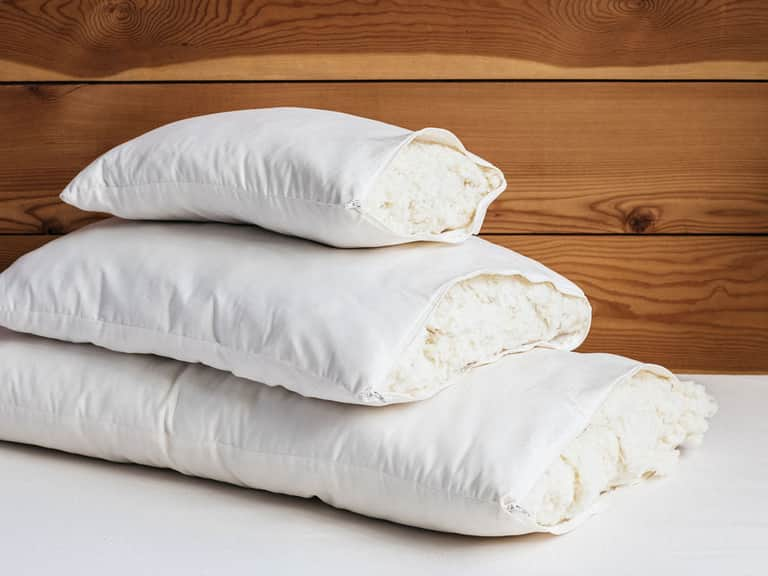
Another relevant option is the Organic Wooly Down Bed Pillow, which offers adjustable firmness through removable wool puffs inside a 100% organic cotton case. This design demonstrates how wool’s natural elasticity can be leveraged to tailor support, a key consideration for sleepers who vary in neck and head support needs across seasons.
A note on non-commercial integrity and education-forward design
This article foregrounds educational and practical considerations in selecting wool-based bedding. It emphasizes transparency in materials and construction, aiming to empower readers to make informed choices that align with health, comfort, and environmental stewardship. When possible, product references point to items that reflect real-world performance and responsible sourcing rather than aspirational marketing.
Conclusion: wool as a living tradition in modern bedding
Wool remains a resilient thread through the tapestry of modern bedding. Its natural properties—temperature regulation, moisture management, and durable loft—continue to inform thoughtfully designed toppers, comforters, and pillows. By examining wool alongside other natural insulations, shoppers can tailor a sleep environment that balances comfort, care, and ecological mindfulness. The goal is not merely to stay warm or cool but to cultivate a sleep space that breathes with the body, supports restful alignment, and endures through seasons with ease.