Blankets and quilts are essential textiles that provide back-end warmth, comfort, and insulation for varied environments. In the realm of bedding, these items range from lightweight, breathable options to heavier, insulating layers. Understanding fabric types, weave patterns, and construction helps identify suitability for different seasons and bedroom climates, as well as for nursery safety considerations.
Wool-based toppers and lined blankets offer natural temperature regulation due to the inherent properties of wool fibers. They wick moisture, resist odors, and maintain warmth even when damp. For households prioritizing sustainability, wool blends can provide durable performance while reducing synthetic exposure in sleep environments.
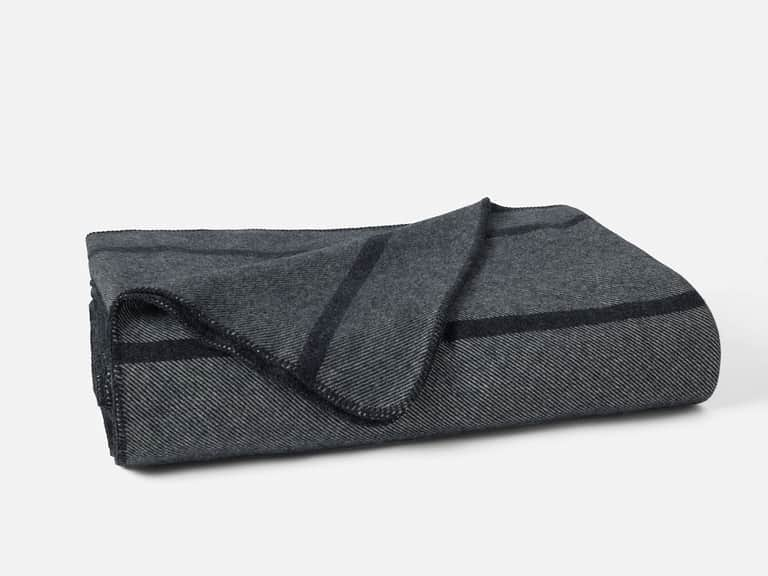
Among notable products, the Tahoe Wool Blanket exemplifies classic wool blanket construction with a soft hand feel and robust thermal performance. Its breathable fabric fosters comfort during sleep and rest periods, while the wool content contributes long-lasting warmth, resilience, and natural flame resistance, supporting versatile use across rooms.
When selecting blankets or quilts, consider weight, fiber composition, and weave density to balance warmth with airflow. Quilts often integrate multiple layers for enhanced loft and insulation, while blankets may prioritize minimalist warmth or topper-level padding. For nurseries, gentler textures and hypoallergenic finishes can contribute to a safer, cozier environment for infants.
Key keywords for this category include bedding, pillows, nursery, comforters, and wool comforters, which reflect the range of uses from decorative layering to functional warmth. Understanding how wool toppers interact with existing sheets and covers helps optimize comfort, sleep quality, and maintenance routines across households and seasonal changes.
 Bedding